
Rosenstiel: 45Z biofuel tax credit should stand as written | Opinion

By Pat Rosenstiel May 17, 2026 7:55 a.m. CT
In early May, hardworking American farmers, fuel producers, rural chambers of commerce, and Republican legislators from states like Iowa, South Dakota, Nebraska, Minnesota, and Illinois spoke up for investment in the rural power grid. The venue was a highly anticipated comment period with U.S. Treasury. The topic was the final rules for “45Z,” a biofuel tax credit that could transform the Heartland economy. While the message of rural Midwesterners was clear, some coastal and foreign companies are seeking to game the tax credit to their own ends. Rural jobs, rural values, and rural security now hang in the balance.
Rural America produces our fuels and food through thick and thin. Today, economic uncertainty makes it harder than ever to farm the field. Power prices climb all the while, threatening our businesses and our quality of life. It has never been more important to get agricultural policies right: not just for our sake but for the next generation of farmers.
45Z has the potential to unlock billions across rural America by incentivizing more homegrown fuel production. The whole local economy stands to benefit: farmers, grain elevator operators, machinery manufacturers and dealers, small businesses, and everybody in between.
Rural power generators that provide electricity for fuel production are a critical part of this biofuel supply chain. 45Z capital reinvested into the local grid could mean lower energy bills, more power, better infrastructure, and more jobs for linemen and other workers on the front lines.
Among the many issues raised in the 45Z comments, an overwhelming number of comments were filed by farmers, rural businesses, and legislators calling upon Treasury to protect the rural power grid. The message was simple: finalize these rules as written.
In its proposed rules, Treasury wisely established geographic guardrails to ensure that fuel producers source all electricity contracts from their own regional grid. This includes contracts for power data, called “energy attribute certificates” (or EACs), that help fuel producers secure a successful 45Z tax claim. Treasury’s rules protect the Midwest from companies that would otherwise just take the money and run.
As proposed, Treasury’s electricity rules require that the benefits of 45Z get reinvested in the same regions that actually grow the fuels. Since about 90 percent of biofuel inputs are grown in the Midwest, common sense would dictate that the benefits of a biofuel tax credit ought to largely stay in the Midwest as well.
Although the commonsense call from rural Americans was clear on this issue, a small minority of corporate interests proposed a different path. For example, one German company, headquartered in California, authored a strongly worded comment in opposition to Treasury’s electricity rules that would protect local rural investment. The company demanded the removal of all safeguards around power contracts for EACs.
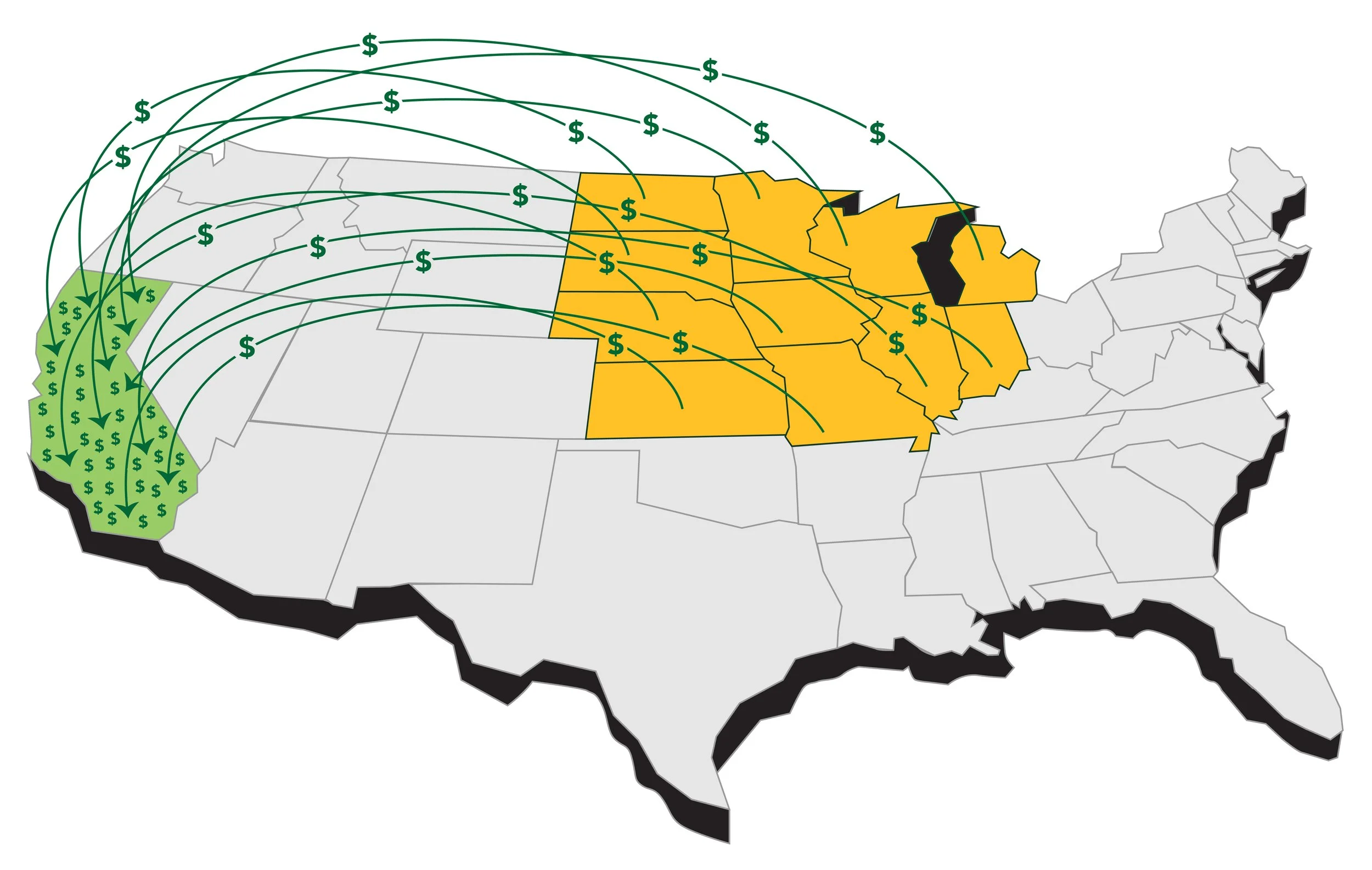
This European company’s radical proposal would no doubt benefit California’s economy. But would it benefit the rural communities that support 90 percent of America’s biofuel production? Hardly. Removing Treasury’s proposed safeguards would result in a capital flight of potentially billions of dollars to the west coast at the expense of Midwest communities.
If Treasury now caves to foreign companies and alters 45Z’s proposed electricity rules, the economic benefits that could flow to the Midwest power grid risk being siphoned off by interests elsewhere.
As currently written, 45Z ensures the benefits of biofuels remain rooted in the communities that make them possible. Finalizing these regulations, as they have already been proposed, will unleash billions in investment for the communities that power America’s energy economy and ensure the Heartland leads in fuel production for generations to come.
Now is the time to act and follow through. It’s time to finalize 45Z and let the Midwest power the next chapter of American energy.